If you picture wine country as a weekend destination, Loudoun County may surprise you. In western Loudoun, wine country is not just a place to visit. It is a daily lifestyle shaped by rural roads, working farms, trail access, village centers, and small-town routines. If you are thinking about moving here, this guide will help you understand what day-to-day life really feels like and what to expect before you buy. Let’s dive in.
Loudoun wine country feels rural by design
One of the most important things to know is that Loudoun County wine country is not a single town or one neatly defined neighborhood. It is a broad western landscape where county planning preserves a rural pattern of land use, working farms, and limited residential development. According to Loudoun County policy-area mapping, the western two-thirds of the county is part of the Rural Policy Area, which is meant to support rural economy uses and a lower-density setting.
That planning framework shapes what you experience every day. Instead of long stretches of newer suburban neighborhoods, you are more likely to find open land, farm-related businesses, village centers, and scenic routes between destinations. It is a big reason the area feels distinct from eastern Loudoun and much of the broader Washington metro.
Loudoun also leans fully into its identity as DC’s Wine Country, with more than 50 wineries and tasting rooms. The same tourism resource notes that western Loudoun has more miles of unpaved roads than any other county in Virginia, which says a lot about the area’s relaxed, back-road character.
Daily life blends scenery and routine
Living in Loudoun County wine country often means your daily routine includes scenic drives, local stops, and more connection to the outdoors. This is the kind of place where errands and recreation can overlap, especially on weekends. You may head out for produce, coffee, a trail walk, or a lunch stop in town, all within the same afternoon.
A big part of the lifestyle comes from local farms and seasonal destinations. Visit Loudoun’s farms and orchards guide highlights farm tours, farm markets, and u-pick experiences across the county, including produce farms, orchards, and flower farms. That means fresh, seasonal outings are woven into the local rhythm rather than treated as special events.
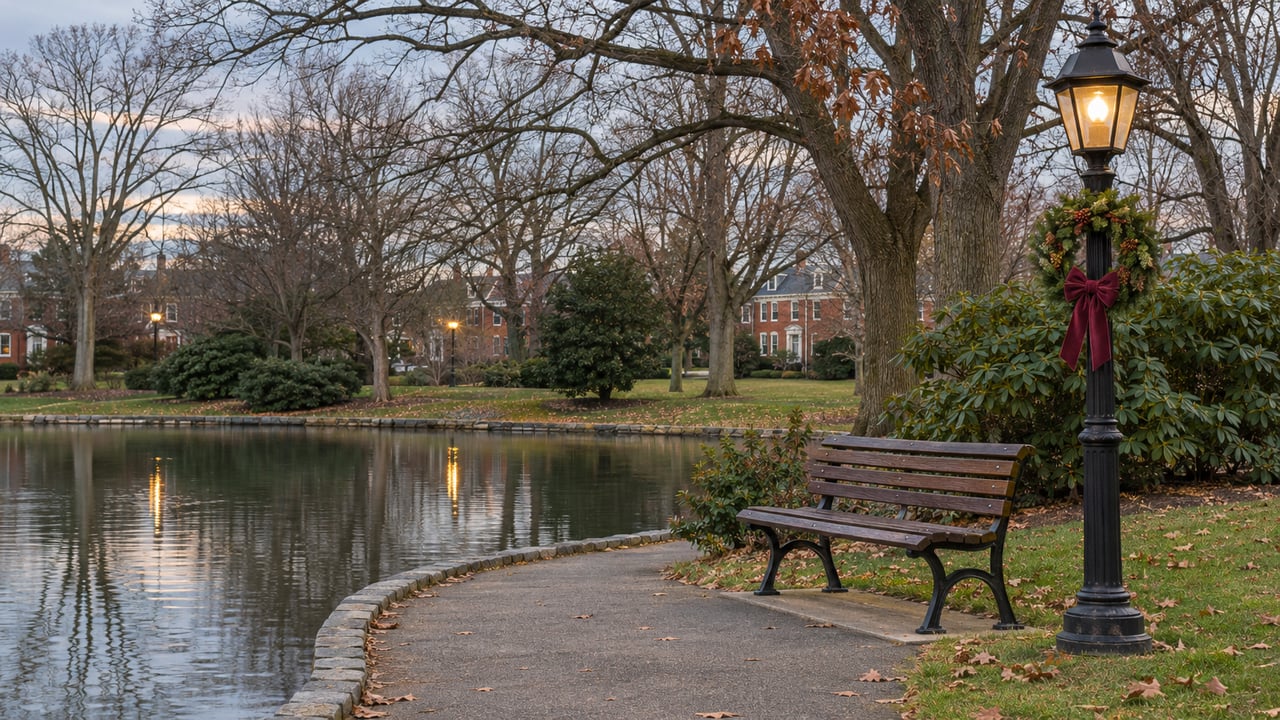
The county’s trail system adds another layer to everyday life. Loudoun’s Trails & Waterways network was created to connect residents to communities, destinations, and natural landscapes, and the W&OD Trail stretches 45 miles from Arlington to Purcellville. Whether you like walking, biking, running, or simply having open space nearby, that network is a meaningful part of how many residents enjoy the area.
Small towns anchor the lifestyle
While the landscape is rural, daily life is often anchored by nearby town centers. Leesburg, Purcellville, Middleburg, Waterford, and Bluemont each contribute a different flavor to the wine country experience. Together, they create the sense that you are never far from a main street, local business district, or community gathering spot.
Leesburg offers one of the area’s strongest town-center experiences. Its Arts & Cultural District brings together galleries, public art, live music, and historic downtown dining. For many buyers, Leesburg feels like a practical hub because it combines charm with a broader range of civic and service options.
Purcellville is another important anchor in western Loudoun. The town describes itself as western Loudoun’s hub for shopping, dining, and professional services, which helps explain why many residents rely on it for day-to-day convenience. If you want a rural setting without feeling too isolated, proximity to Purcellville can be a major advantage.
Middleburg brings a different kind of appeal, with boutique shopping, restaurants, and a strong connection to horse-country heritage. Waterford and Bluemont add even more character. Waterford is a National Historic Landmark, while Bluemont is known for wineries, hiking trails, and historic homes in the Blue Ridge foothills.
Horse country is part of the identity
Wine is only part of the story here. Horse culture is a major part of Loudoun County’s identity, especially in the western portion of the county. According to Visit Loudoun, the county has more than 15,000 horses and more horses than any other county in Virginia.
That matters because it influences the look and feel of the landscape. You will see pastures, fences, barns, and equestrian facilities woven into the area alongside wineries, farms, and village roads. Even if you are not personally involved in equestrian activities, that heritage contributes to the open, pastoral setting many buyers are seeking.
What homes in wine country are really like
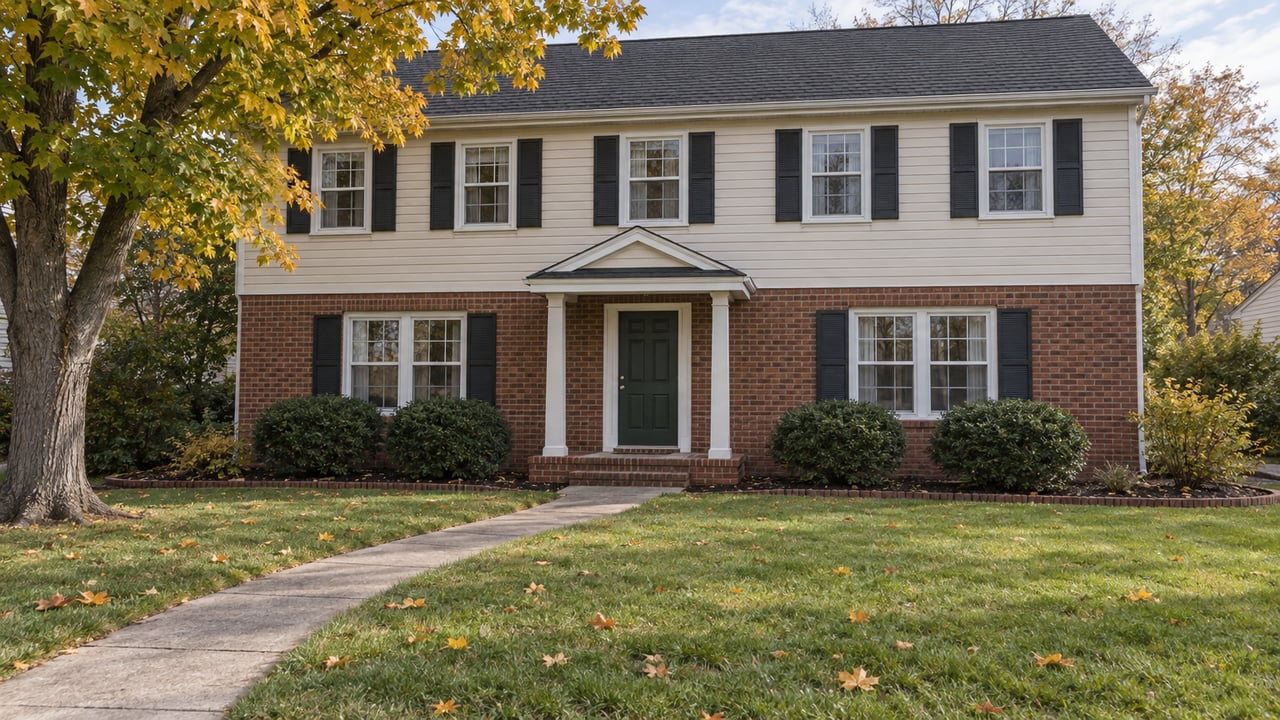
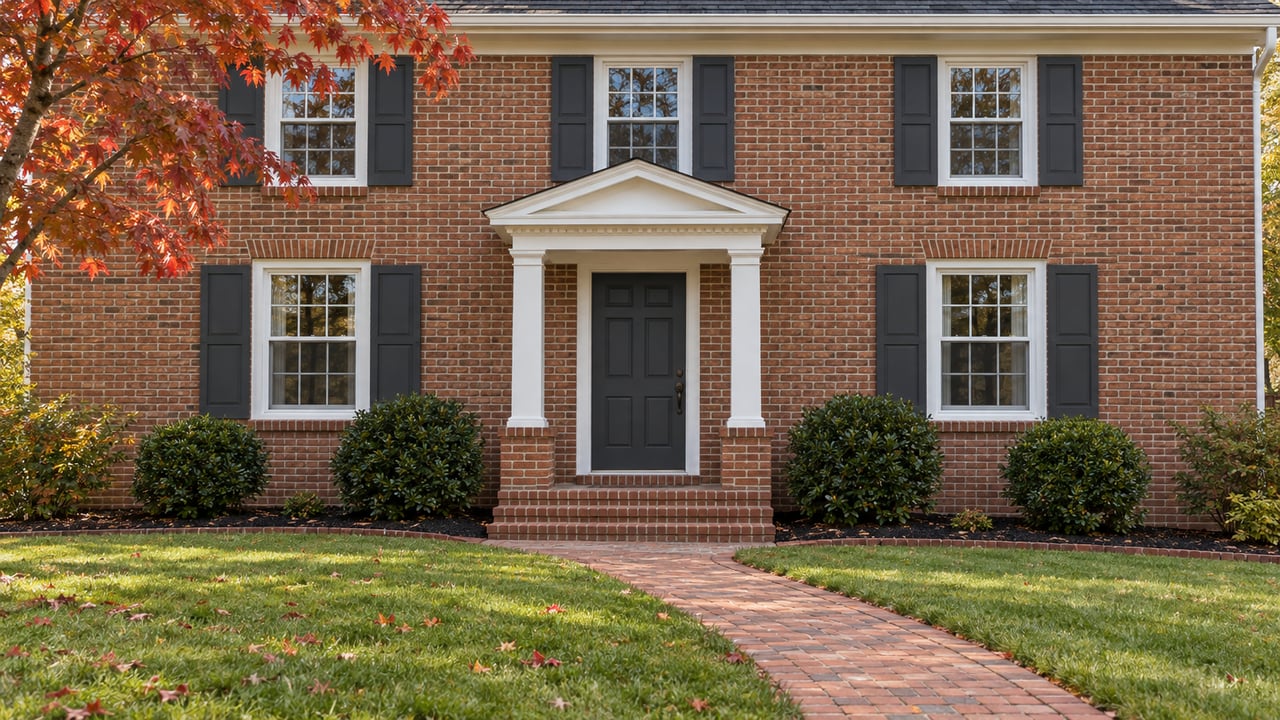
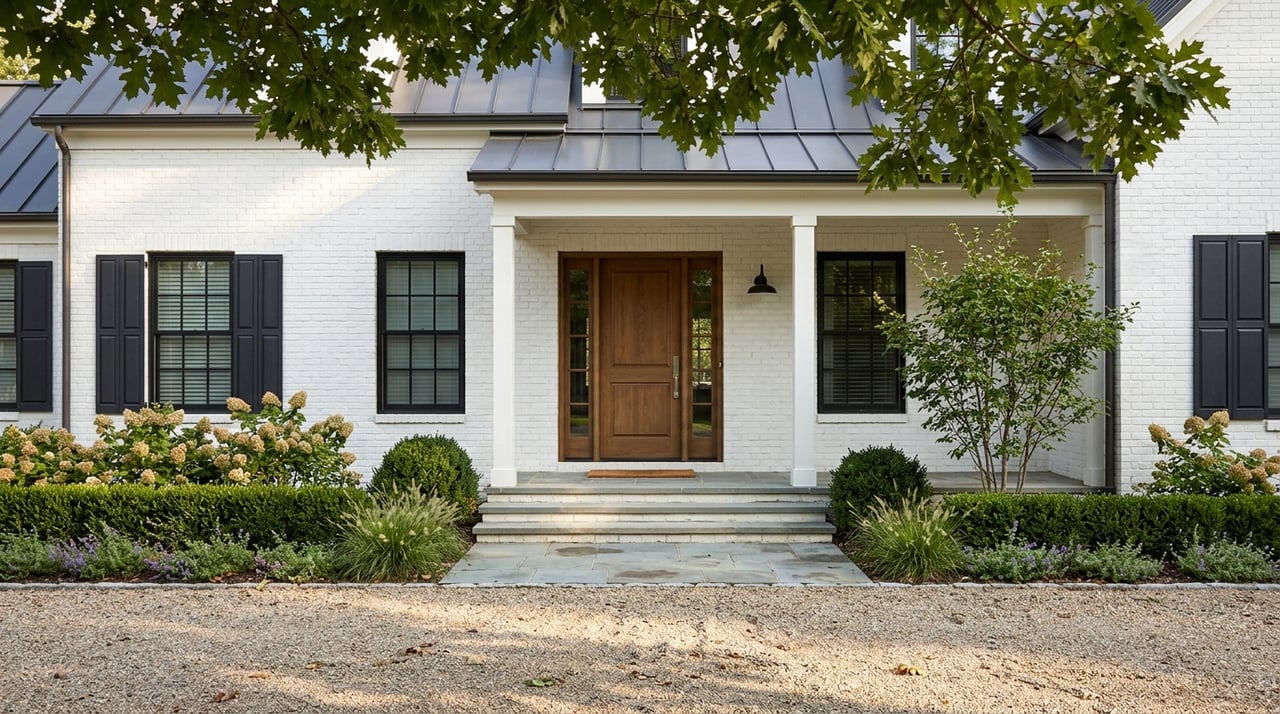
Housing in Loudoun County wine country is best understood through land patterns and settlement history. In practical terms, you are likely to see a mix of historic village homes, farm-adjacent properties, and homes on larger lots rather than a dominant pattern of newer subdivisions. That mix is part of what gives the area its charm.
Historic village homes are common in places like Leesburg, Purcellville, Middleburg, Waterford, and Bluemont. Loudoun County’s rural historic villages planning guidance explains that many of these places grew around crossroads, mills, or railroad depots and still contain a blend of residential, civic, and commercial uses. For buyers, that often translates to homes with more historic character and neighborhoods that feel tied to the county’s older development patterns.
Outside those village settings, many buyers are drawn to the spacious feel created by the Rural Policy Area, farmland protections, and land-use rules that support agricultural and rural economy uses. It is most accurate to think in terms of large-lot and farm-adjacent living rather than expecting a uniform housing product. You may find more privacy, more land, and broader views, but also more variation in property type, age, and layout.
If you are comparing western Loudoun to more suburban parts of the county, the difference can be noticeable. Loudoun’s zoning rewrite highlights distinguish rural, transition, suburban, and town-center place types, showing that the deeper rural core is meant to remain distinct from newer suburban patterns. That distinction helps preserve the setting that many buyers associate with wine country.
Commuting takes planning
A common question is whether Loudoun wine country is commuter-friendly. The short answer is yes, but it depends heavily on exactly where you live. In general, commute options are easier near Leesburg, Aldie, Hamilton, and the eastern edge of wine country, while deeper western locations often mean more driving.
Loudoun County Transit offers commuter bus service to Washington, Rosslyn, the Pentagon, and Crystal City from lots including Aldie, Hamilton, and Leesburg. For some buyers, that access can make a western Loudoun lifestyle much more realistic than they first assume. Loudoun County Commuter Services also notes Silver Line access through Dulles Airport, Loudoun Gateway, and Ashburn, and WMATA says the Silver Line Extension added six stations and 11.4 miles of new track into Loudoun County.
Local mobility is strongest around Leesburg. The town provides free local bus routes and Transit on Demand, which is unusually useful for a semi-rural county seat. Even with those options, most households in western Loudoun still build their routine around the car, especially the farther west they go.
Purcellville’s location helps frame expectations. The town says it is about 50 miles from Washington and 25 miles from Dulles, which gives you a rough sense of regional access. If you are considering a move here, it is smart to think carefully about your weekly pattern, not just your ideal weekend.
Who tends to love this lifestyle
Loudoun County wine country tends to appeal to buyers who want more space, more scenery, and a stronger sense of place. Some people are drawn to the historic villages and main streets. Others want proximity to wineries, trails, and farmland without giving up access to Leesburg, Dulles, or the broader DMV.
This lifestyle can be a strong fit if you value:
- A rural or semi-rural setting
- Distinctive homes with character
- Access to wineries, farms, and trails
- Village centers and small-town amenities
- More separation from dense suburban growth
It may be less appealing if you want short daily errands, frequent transit use, or the predictability of a newer master-planned neighborhood. In wine country, the tradeoff for beauty and space is usually more driving and more variation from one property to the next.
How to evaluate wine country as a buyer
If you are serious about moving to Loudoun County wine country, it helps to look beyond the listing photos. The setting can be beautiful, but your day-to-day experience will depend on location, road access, nearby services, and how much rural living actually matches your routine.
Here are a few smart questions to ask as you compare homes:
- How far are you from your most-used town center, such as Leesburg or Purcellville?
- What does the drive feel like on weekdays, not just weekends?
- Are you looking for village character, more land, or a balance of both?
- How important are trail access, wineries, and farm markets to your lifestyle?
- Would commuter bus or Silver Line access affect where you focus your search?
For many buyers, the right move is not just finding a home in western Loudoun. It is finding the part of western Loudoun that matches how you really want to live.
If you are considering a move to Loudoun County wine country, working with an experienced regional advisor can help you compare lifestyle, access, and property type with more confidence. Gary Floyd offers high-touch guidance across the DMV, including Virginia, so you can make a thoughtful decision based on how you want to live now and over the long term.
FAQs
What is Loudoun County wine country like for full-time living?
- Loudoun County wine country offers a rural western Loudoun lifestyle shaped by wineries, working farms, trails, horse properties, village centers, and scenic back roads rather than a single compact town.
Is Loudoun County wine country really rural?
- Yes. County planning identifies the western two-thirds of Loudoun as the Rural Policy Area, where land use focuses on rural economy uses and limited residential development.
What kinds of homes can you find in Loudoun County wine country?
- Buyers often see historic village homes, farm-adjacent properties, and homes on larger lots, with more variation and historic character than in typical suburban subdivisions.
Is commuting from Loudoun County wine country practical?
- It can be, especially near Leesburg, Aldie, Hamilton, and Silver Line access points, but deeper western locations usually involve more driving and require more planning.
Which towns shape life in Loudoun County wine country?
- Leesburg, Purcellville, Middleburg, Waterford, and Bluemont all play a role, offering a mix of main streets, dining, shopping, history, recreation, and access to rural surroundings.
What makes Loudoun County wine country different from suburban Loudoun?
- The biggest differences are the preserved rural landscape, working farms, village-centered development, scenic roads, and a housing pattern shaped more by land and history than by newer subdivision growth.