If you are looking for a quieter side of Montgomery County, Barnesville may catch your attention right away. This small town offers a rural setting, a long local history, and a housing profile that feels very different from denser parts of the county. If you want to understand what daily life here is really like, this guide will walk you through the setting, housing, commute options, and practical tradeoffs so you can decide whether Barnesville fits your goals. Let’s dive in.
What makes Barnesville distinct
Barnesville is a small incorporated municipality in western Montgomery County, and its size is part of its identity. The 2020 Barnesville Master Plan says the town boundary covers 268 acres and includes 90 parcels. The town is intended to remain a small rural village rather than become a growth center.
That small scale shapes the experience of living here. Barnesville describes itself as a ridge-top community with views toward Sugarloaf Mountain, the Catoctin Mountain range, and the Blue Ridge. In a county known for many different housing and lifestyle options, Barnesville stands out for its open setting and preserved rural character.
Barnesville’s rural setting
A big part of Barnesville’s appeal is what surrounds it. Montgomery County’s Agricultural Reserve, established in 1980, covers 93,000 acres and plays a major role in preserving farmland and open land in this part of the county. That broader framework helps explain why Barnesville still feels separate from more built-up suburban areas.
For many buyers, that means a landscape with longer views, more open space, and a slower pace. It also means you should not expect the same level of nearby services or development intensity you might find elsewhere in Montgomery County. Barnesville is best understood as a small village with a rural backdrop, not a convenience-driven suburban center.
A town with deep roots
Barnesville’s history goes back centuries. The town says the land was first surveyed in 1749, and by the early 19th century the area had developed as a crossroads community with residences, a log store, a tavern, and a school. Growth was also tied in part to the nearby Chesapeake and Ohio Canal.
Barnesville was incorporated in 1888, and the town credits the Agricultural Reserve and local zoning with helping preserve its character over time. For you as a buyer, that history shows up in the town’s layout, building stock, and overall atmosphere. This is not a place that has been remade by large-scale new development.
Local landmarks and community spaces
Even a very small town has recognizable gathering points, and Barnesville is no exception. Town Hall is one of the most visible civic landmarks in the town core. It was donated to the town in 2003, renovated in 2008, and the work was partially funded by a Maryland Historical Trust preservation grant.
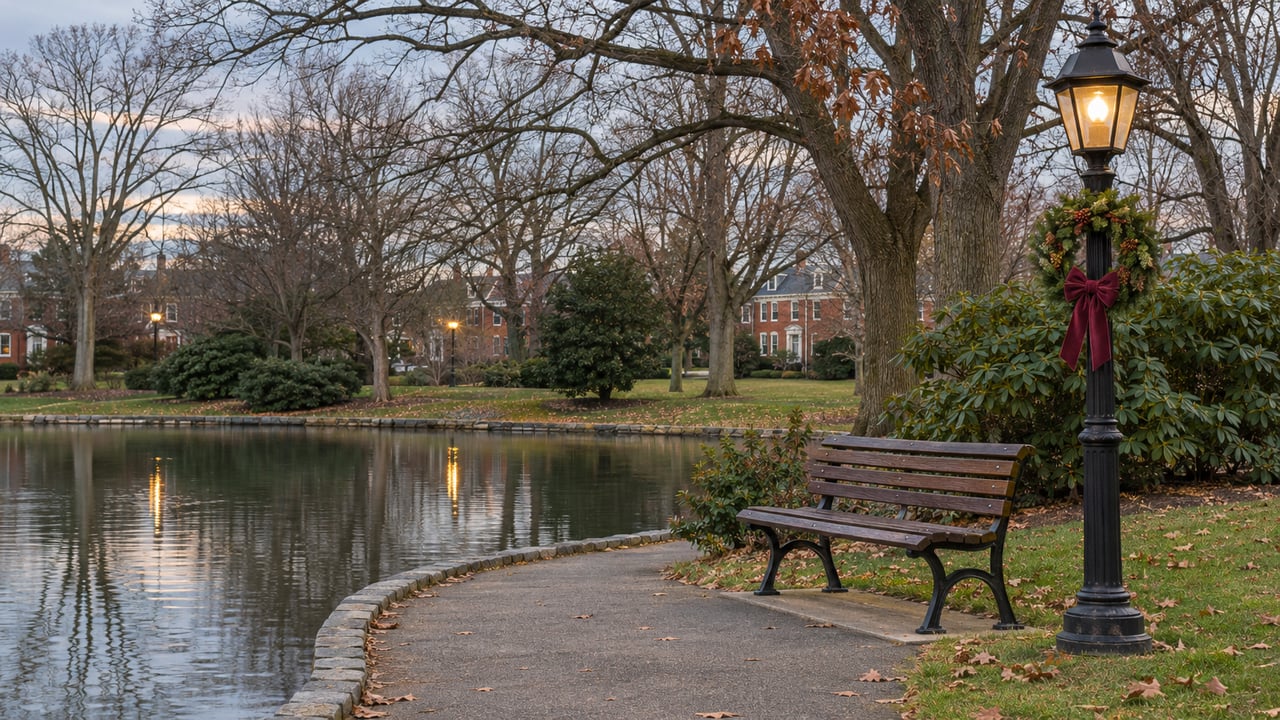
Lillard’s Corner is another notable feature. The town describes it as a pocket park shaped with community involvement and native-plant habitat goals. Barnesville also lists Barnesville Baptist Church and Saint Mary’s Parish and Shrine of Our Lady of Fatima within town.
Getting around from Barnesville
Barnesville offers a very specific transportation profile. The town is served by MARC commuter rail, and the Maryland Transit Administration lists Barnesville on the Penn Line. That line operates between Baltimore Penn Station, BWI, and Washington Union Station.
For some buyers, that rail access is a major advantage. The Barnesville MARC stop is listed with 46 parking spaces and no connecting services. If you commute by train and want a rural home base, that can be a meaningful point in Barnesville’s favor.
Car travel matters here
Barnesville is not built around a large transit network. The 2020 master plan notes there was no bus transit within town, and Ride On access was in nearby Poolesville or Germantown rather than in Barnesville itself. In practical terms, that means Barnesville fits best if you are comfortable relying heavily on a car, with MARC rail as a useful option for some trips.
The town also emphasizes sidewalks and pedestrian access, but road coordination can be more complex because Barnesville does not own the roads inside its limits. Instead, it works with state and county agencies on those issues. That may not affect your decision day to day, but it does help explain the local infrastructure picture.
Outdoor access and scenic appeal
If scenery matters to you, Barnesville has a lot to offer. The town highlights ridge-top views toward Sugarloaf Mountain and the Catoctin and Blue Ridge ranges. That kind of setting is a meaningful part of daily life here, not just a marketing phrase.
The broader area also offers access to open land and park resources. Montgomery Parks says Bucklodge Conservation Park is about 215 acres and located in northwest county in the vicinity of Barnesville. For buyers who value a more outdoors-oriented setting, that context adds to the town’s appeal.
What housing looks like in Barnesville
Barnesville’s housing stock is unusually consistent in type. According to the most recent 2020 to 2024 ACS estimates, the town had 71 housing units, 65 occupied units, 70 one-unit detached homes, and one attached unit. In other words, Barnesville is overwhelmingly a detached-home market.
Owner occupancy is also very high. The same estimates show 96.9% owner occupancy and a median owner-occupied value of $730,300, though the margins of error are large because the town is so small. In a place with this few homes, broad data points can be useful, but individual properties may vary a lot.
Older homes shape the market
Nearly half of Barnesville’s housing units were built before 1940. The master plan adds more local detail, noting that most buildings are under 3,000 square feet, with many in the 1,000 to 2,000 square foot range. Newer homes tend to be larger, around 3,000 to 4,000 square feet.
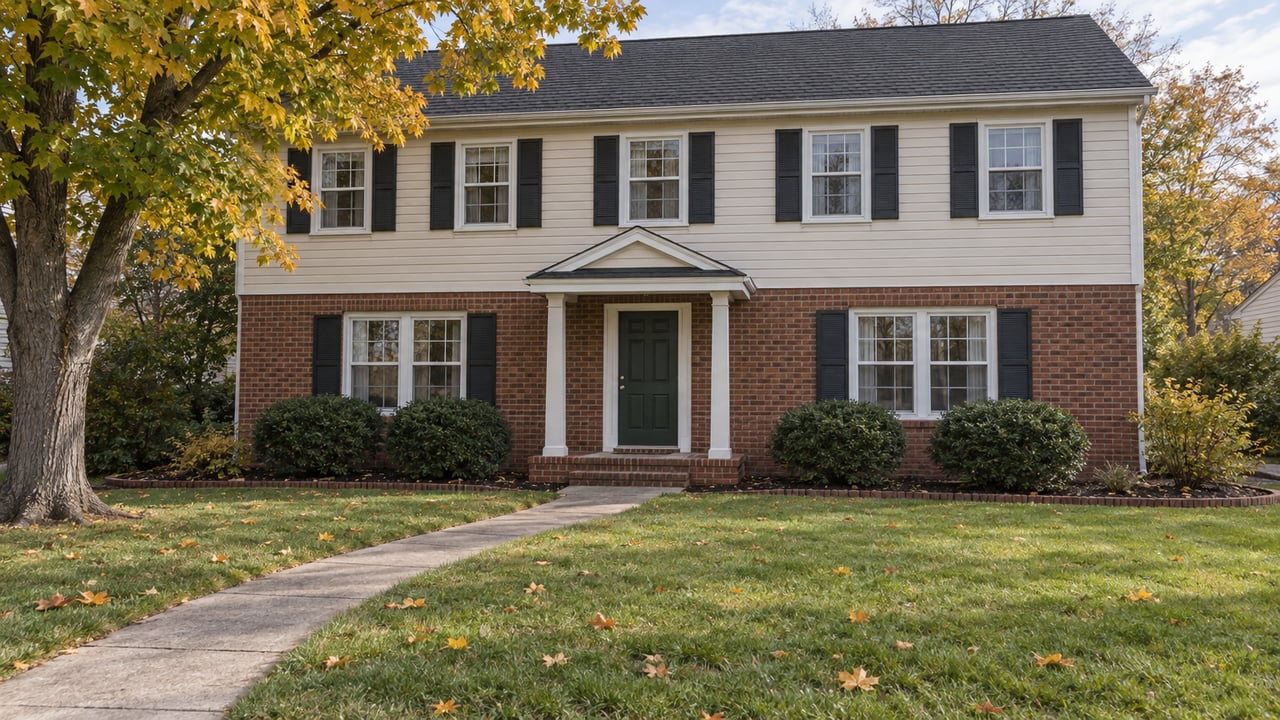
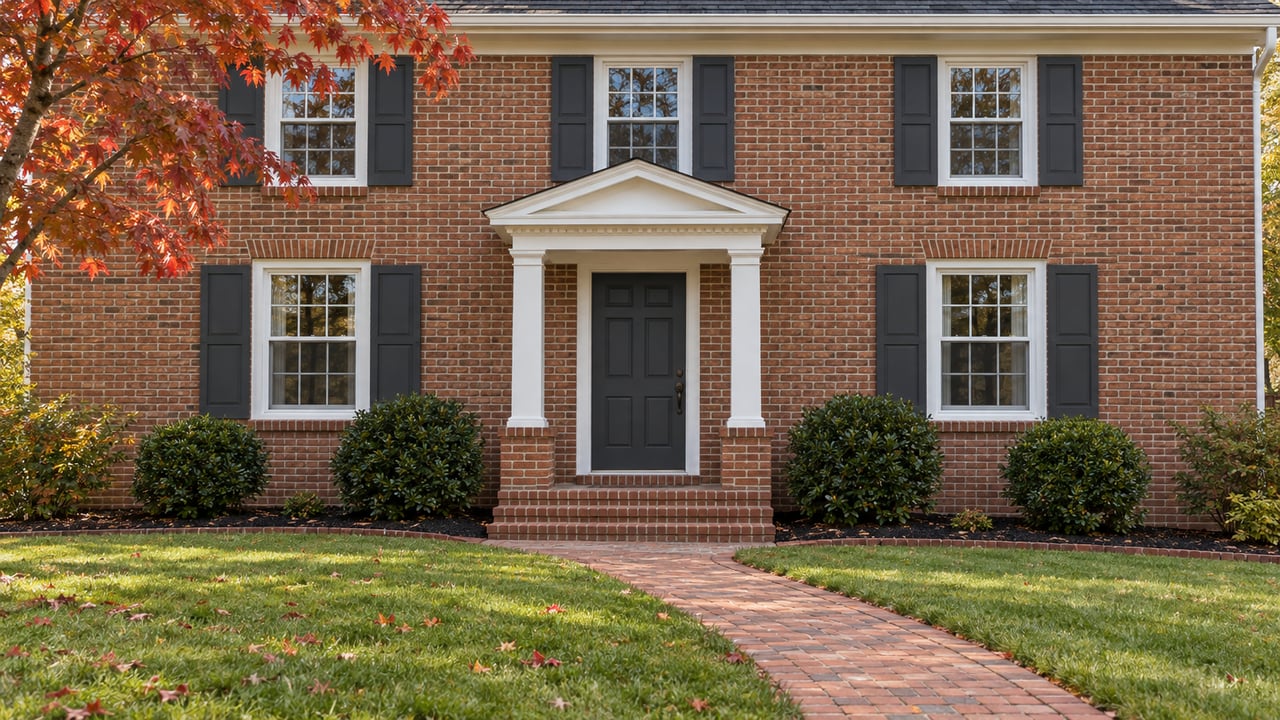
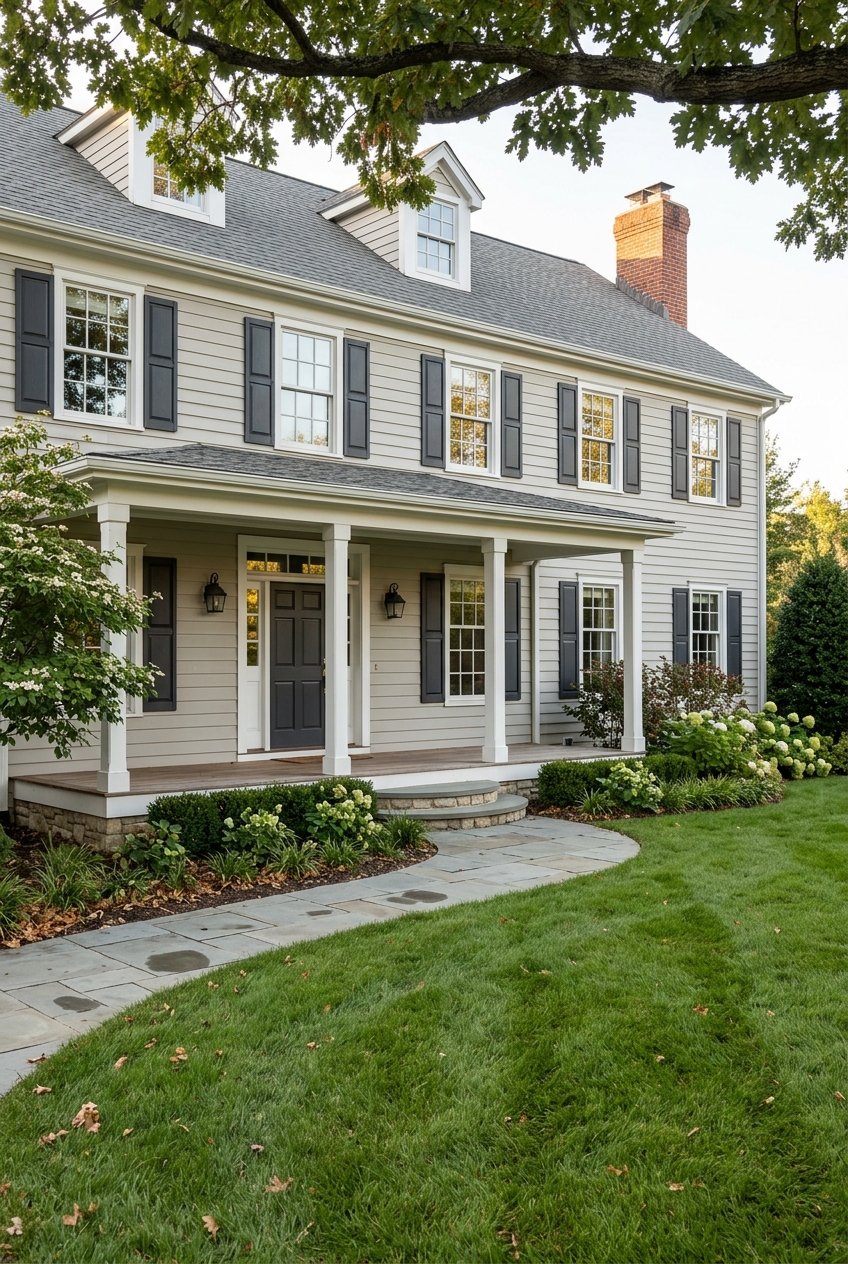
That mix creates a market with older detached homes on larger lots, plus some newer custom homes. If you are searching in Barnesville, you are generally not comparing condos, townhomes, and apartment-style options. You are looking at a small pool of detached properties with a rural village feel.
Key utility and lot-size considerations
Barnesville buyers should pay close attention to practical property details. The master plan states that Barnesville has no public water or sewer service and relies on private wells and septic systems. That alone makes the buying process here different from many nearby communities.
The plan also says new single-family homes in the R-A zone require a 4-acre minimum lot size. If you are considering building, expanding, or buying with long-term property plans in mind, that land-use framework matters. It affects what is possible and helps maintain the low-density character many buyers come here to find.
Town services and everyday expectations
Barnesville provides basic town-level services rather than a broad menu of municipal amenities. The town lists weekly trash and recycling collection, street lighting through Potomac Edison, and sidewalk maintenance. It also continues to push for safer pedestrian connections.
For you, the key is to match expectations to the setting. Barnesville offers charm, space, and a preserved rural environment, but it does not aim to function like a larger suburban municipality with extensive local infrastructure. That balance is part of the lifestyle choice.
Who Barnesville may fit best
Barnesville can be a strong match if you want a historic rural setting in Montgomery County and you value detached homes, larger lots, and a quieter pace. It may also appeal to buyers who like the idea of MARC access while living outside denser population centers. If the setting itself is a priority, Barnesville has a distinctive identity.
At the same time, this town asks you to be comfortable with certain tradeoffs. Private wells and septic systems, limited local services, and the lack of bus transit within town are all part of the picture. The right fit often comes down to whether you want convenience first, or character and rural setting first.
Why local guidance matters here
In a town this small, every listing can feel unique. Age of home, lot characteristics, private utility systems, and local land-use context can all shape value and day-to-day ownership in ways that are not always obvious from a quick online search. That is especially true in a market where the number of available homes may be very limited at any given time.
Working with an experienced local advisor can help you look beyond the photos and focus on fit. You want to understand not just the house, but also how Barnesville’s setting, infrastructure, and small-town framework line up with your goals. That kind of careful guidance can make a real difference when you are buying or selling in a niche market.
If you are thinking about buying or selling in Barnesville or anywhere in Montgomery County, Gary Floyd offers the steady, high-touch guidance that comes from more than 40 years of residential real estate experience across the DMV.
FAQs
What is living in Barnesville, MD like?
- Living in Barnesville means being in a very small rural village in western Montgomery County with historic character, detached homes, scenic views, and a quieter pace than more built-up parts of the county.
Does Barnesville, MD have train access?
- Yes. Barnesville is served by MARC commuter rail on the Penn Line, which operates between Baltimore Penn Station, BWI, and Washington Union Station.
What kind of homes are in Barnesville, MD?
- Barnesville’s housing stock is overwhelmingly detached, with ACS estimates showing 70 one-unit detached homes and one attached unit, along with many older homes and some newer larger custom houses.
Are homes in Barnesville, MD on public water and sewer?
- No. The Barnesville Master Plan says the town relies on private wells and septic systems rather than public water or sewer service.
Is Barnesville, MD a good fit for buyers seeking a rural setting?
- Barnesville may appeal to buyers who want a preserved rural setting, larger lots, historic character, and a detached-home market, but it may be less appealing if you want extensive local services or in-town bus transit.