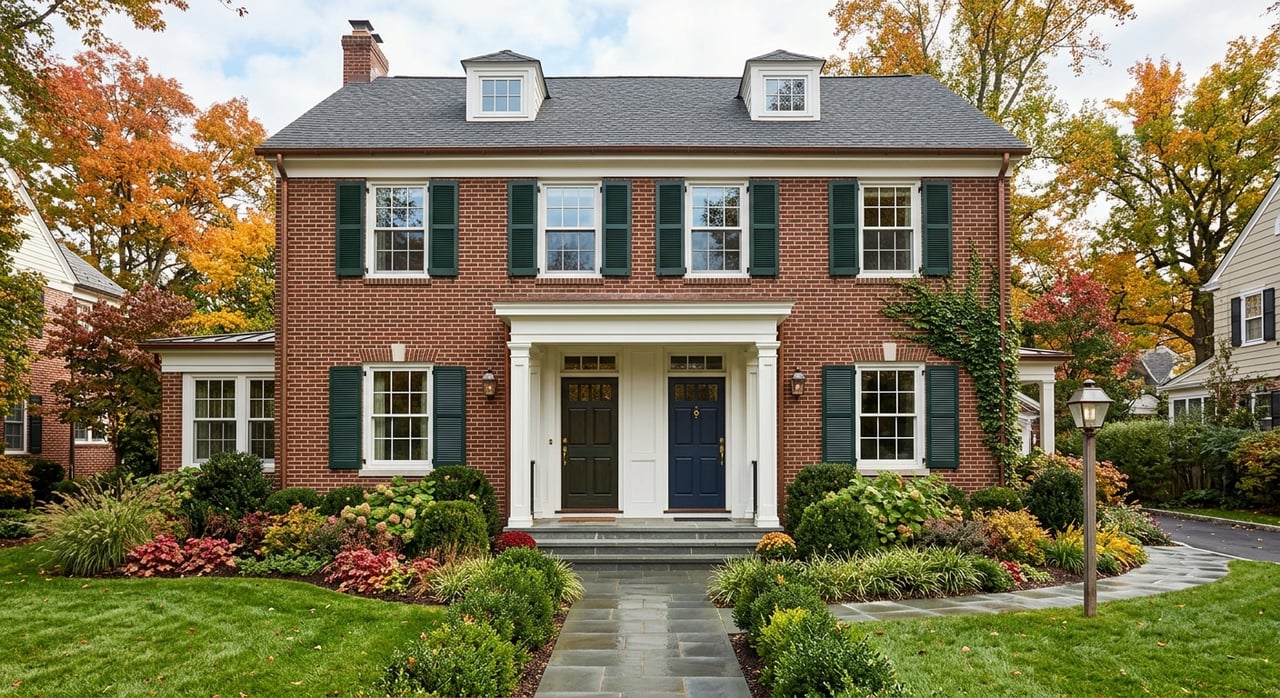
If you are thinking about buying a rental home near Washington, D.C., Prince George’s County deserves a serious look. This is a large, commuter-connected county with multiple job centers, a broad renter base, and price points that can vary a lot from one area to the next. If you want to understand where the opportunity is, what the numbers may look like, and which local rules matter before you buy, this guide will help you get grounded. Let’s dive in.
Why Prince George’s County Attracts Renters
Prince George’s County sits just east of Washington, D.C. and had an estimated population of 959,754 in 2024. The county’s median age is 38.5, and 48.5% of residents commute outside the county for work. That commuter pattern matters because it supports steady rental demand tied to the wider D.C. region, not just one local employer.
Transit is one of the county’s biggest advantages. Planning and county sources note 15 Metrorail stations, nine MARC locations, 70 WMATA bus routes, 28 local bus routes, and the Purple Line under construction. For many renters, access to train and bus options can shape where they choose to live and how much flexibility they have in their housing search.
Another strength is diverse tenant demand. Major employer anchors include the University System of Maryland, NASA Goddard, Joint Base Andrews, WMATA, the U.S. Census Bureau, USDA, MGM National Harbor, MedStar, University of Maryland Capital Region Health, Prince George’s Community College, and the county school system. That mix can support demand from commuters, healthcare workers, military households, students, and other residents looking for convenient housing options.
What the Market Snapshot Shows
Recent countywide market data shows a typical home value of $428,633, with homes going pending in about 26 days and a median sale price of $406,667. Realtor.com reports a median listing price of $450,000 and a median rental price of $2,400 per month. Using those medians, rough gross yield works out to about 6.4% to 6.7% countywide.
That does not mean every property will perform the same way. It does mean Prince George’s County may appeal to investors who are focused more on income and durable rental demand than on chasing fast appreciation. Recent year-over-year home value change has been slightly negative, so careful underwriting matters.
A practical starting point is to compare submarkets by both entry price and rent potential.
How Submarkets Can Differ
Several county locations show how much pricing and rent can vary. Hyattsville has about a $420,000 median listing price and a $2,357 median rent, which points to a rough 6.7% gross yield. Upper Marlboro shows a higher median listing price of about $485,990 and a median rent of $2,800, or roughly 6.9% gross yield.
Other areas screen differently. Capitol Heights has about a $350,000 median listing price and a $2,400 median rent, which suggests a rough 8.2% gross yield. Oxon Hill shows about a $399,900 median listing price and a $2,650 median rent, which points to around 8.0% gross yield.
These examples do not tell the whole story, but they do help frame your options. Some investors may prefer lower entry prices and stronger projected cash flow, while others may prioritize transit access, property type, or a different renter profile.
Key Numbers to Underwrite Carefully
Before you move forward on any rental home, run your numbers with local costs in mind. Prince George’s County’s real property tax rate is $1.0000 per $100 of assessed value, and municipal rates may also apply in incorporated areas. That means your actual tax burden can vary depending on where the property sits.
It also helps to remember that gross yield is only a rough screen. You still need to account for taxes, insurance, maintenance, vacancy, turnover costs, licensing compliance, and any property-specific updates. A property that looks strong on a quick rent-to-price ratio can feel very different once you include all the carrying costs.
Local Rental Rules to Know Before Buying
This is one of the most important parts of investing in Prince George’s County rental homes. The county requires rental licensing through DPIE’s Momentum system. For single-family rental facilities, the county applies this to properties where the landlord provides one or two dwelling units, and the property must comply with the County Housing Code, which includes the 2018 International Property Maintenance Code.
After the application is filed, DPIE inspects the property to determine compliance. The county’s single-family rental license is valid for two years. If a property has two or more separate dwelling units, a use and occupancy permit is also required.
You should also verify whether the property falls inside a municipality that runs its own rental license program. Several municipalities are outside the county’s licensing jurisdiction, including Bowie, College Park, Greenbelt, Hyattsville, Laurel, New Carrollton, Riverdale Park, and Mount Rainier, among others. That step matters because the rules and process may differ depending on location.
Rent stabilization matters
Prince George’s County’s Permanent Rent Stabilization and Protection Act currently shows a maximum annual increase of 5.7% for regulated non-senior units and 2.7% for regulated age-restricted senior housing, subject to county rules. There are also important exemptions.
Exemptions include units completed on or after January 1, 2000, owner-occupied two-unit buildings, accessory dwelling units, and a rental unit owned by a landlord with five or fewer county rental units if other qualifying conditions are met. In plain terms, a smaller owner-operator may or may not be subject to the cap depending on the property and ownership structure. This is a detail you want to confirm before closing, not after.
Lease and deposit rules count too
Maryland requires landlords to attach the current Tenants’ Bill of Rights to every lease. On security deposits, state guidance says a deposit generally may not exceed one month’s rent. The landlord must also return the deposit with required interest and accounting within 45 days after the tenancy ends.
These may sound like small paperwork issues, but they are part of running a compliant rental. If you are buying your first investment property, getting clear on the lease package and deposit handling early can save time and stress later.
Older homes may trigger lead rules
If the property was built before 1978, Maryland lead requirements are a major checkpoint. The Maryland Department of the Environment requires pre-1978 rental properties to be registered under an owner-specific tracking number, renewed every two years, and kept in compliance with lead risk-reduction requirements.
Owners must also provide required tenant educational materials and current lead documentation at each tenancy and every two years after that. In many older housing markets, this is not optional background work. It is a core part of your due diligence.
A small rule that can become a big issue
Applicants for a single-family rental license must attest that life-safety devices are current and that basements are not used as bedrooms or habitable space unless authorized. That is easy to overlook during a quick walkthrough, especially if a lower level is staged or informally set up like living space.
If you are comparing homes, make sure the layout and use match what is actually permitted. This is another example of why local compliance review should be part of your investment analysis from day one.
How to Evaluate Areas for Long-Term Stability
Prince George’s County planning points to transit-oriented growth as a long-term theme. All 15 Metrorail stations and two MARC stations are designated growth policy centers, and there are more than 2,500 acres of undeveloped land within one-half mile of the county’s Metro stations. The Purple Line TOD study also highlights station areas such as College Park-UMD, Riverdale Park, and West Campus as places the county expects to see continued reinvestment.
For investors, that makes station-area and corridor-adjacent properties worth a closer look. You are not just buying a house. You are buying into a location pattern that can influence renter demand, commute convenience, and future interest in the area.
A useful screening process often includes these four factors:
- Transit access: Near Metro, MARC, bus routes, or future Purple Line access
- Job anchors: Close to universities, healthcare systems, federal agencies, military employers, and other major work centers
- Regulatory fit: Whether the property is pre-1978, subject to rent stabilization, exempt from it, or located in county versus municipal licensing jurisdiction
- Ownership pattern: The county’s owner-occupied housing rate is 62.3%, which can help when comparing overall stability across blocks or submarkets
Matching Strategy to the Right Property
Your best rental investment may not be the cheapest house or the highest advertised rent. In Prince George’s County, the stronger approach is often to match the right property type and price point to your actual goal. That goal might be monthly cash flow, steadier long-term demand, easier compliance, or a balanced mix of all three.
For example, Capitol Heights and Oxon Hill currently screen as higher-yield, lower-entry-price markets based on current listing and rent data. Hyattsville and Upper Marlboro show lower gross yields, but they may still appeal depending on your budget, preferred property type, or desired renter profile. The point is to compare opportunities on purpose, not just react to whichever listing appears first.
A Smart First Step for Investors
If you are considering investing in Prince George’s County rental homes, the opportunity is real, but so is the need for careful local review. The county offers broad renter demand, strong regional access, and multiple submarkets with different entry points. At the same time, licensing, municipal jurisdiction, rent stabilization, and lead compliance can all affect whether a property truly fits your plan.
A steady, local, property-by-property approach usually works best. With the right guidance, you can narrow your search, compare realistic numbers, and avoid buying a home that looks promising online but creates avoidable issues after settlement.
If you want help evaluating rental opportunities in Prince George’s County or comparing options across the DMV, Gary Floyd offers experienced, high-touch guidance backed by decades of residential market knowledge.
FAQs
What makes Prince George’s County appealing for rental home investing?
- Prince George’s County offers commuter-driven demand, 15 Metrorail stations, MARC access, major employer anchors, and a renter base supported by several industries rather than just one.
What is the median rent in Prince George’s County for rental homes?
- Recent market data in the research report shows a median rental price of $2,400 per month countywide.
What is the home price range like in Prince George’s County submarkets?
- Current examples in the research report range from about $350,000 in Capitol Heights to about $485,990 in Upper Marlboro, with other areas falling in between.
What rental license is required for a Prince George’s County single-family home?
- Prince George’s County requires rental licensing through DPIE’s Momentum system, and the single-family rental license is valid for two years.
What rent cap rules apply to Prince George’s County rentals?
- The county’s Permanent Rent Stabilization and Protection Act currently lists a maximum annual increase of 5.7% for regulated non-senior units and 2.7% for regulated age-restricted senior housing, with exemptions that depend on the property and ownership structure.
What should buyers check about older rental homes in Prince George’s County?
- If the property was built before 1978, you should confirm Maryland lead registration, renewal, documentation, and compliance requirements before buying.
What should investors verify about municipalities in Prince George’s County?
- Some municipalities administer their own rental license programs, so you should confirm whether the property is under county licensing jurisdiction or a separate local program before closing.