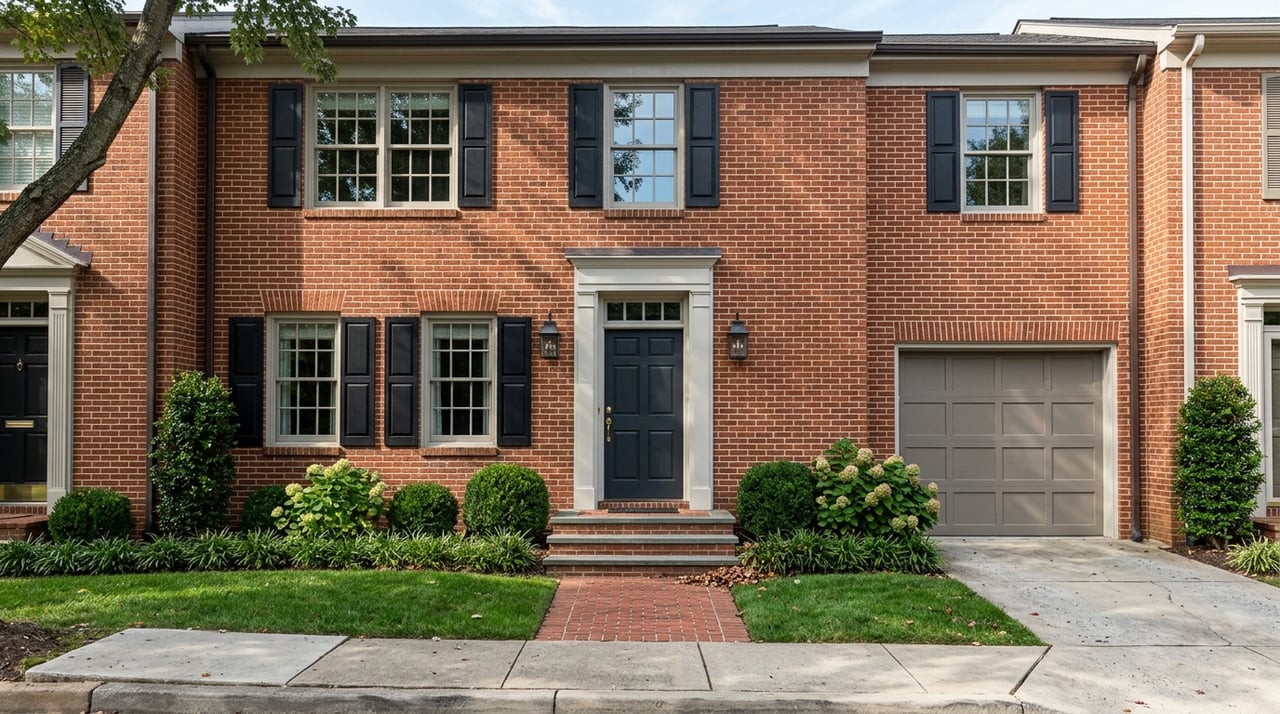
If your workdays are full and your free time feels limited, the right home needs to make life easier, not more complicated. That is a big reason townhomes stand out in Fairfax County, where many buyers want a practical balance of space, convenience, and commute access. If you are weighing whether townhome living fits your routine, this guide will help you sort through the tradeoffs and focus on what matters most. Let’s dive in.
Why townhomes make sense in Fairfax County
Townhomes are not a small corner of the Fairfax County housing market. Fairfax County’s 2024 ACS profile reports 96,930 attached homes, which account for 22.4% of all housing units in the county. That makes townhome living a common and established option, not a niche choice.
That matters when you start your search. In a market with a meaningful supply of attached homes, you are more likely to find a range of locations, layouts, and price points that support different goals. Whether you want to stay closer to Metro, simplify maintenance, or gain more usable space than a condo may offer, townhomes often sit in that middle ground.
Fairfax County also reports an average owner-occupied household size of 2.85. That helps explain why townhomes can work for many kinds of households, including singles, couples, roommates, and buyers who simply want flexible space without taking on a detached home.
What busy professionals often want
When your schedule is packed, square footage is only part of the decision. Many buyers care just as much about how a home supports the flow of daily life, from the morning commute to errands, exercise, and weekend downtime. In Fairfax County, townhome communities are often located where those needs overlap.
The county’s planning shows this clearly in places like Tysons and Reston. Tysons is being shaped as a walkable urban center where many homes and offices are within a 3- to 6-minute walk from Metro stations. Reston Town Center North is also planned as a mixed-use area with access to major roads and nearby Metro.
For you, that can translate into less time spent driving between work, shopping, and recreation. Instead of treating your home as a place that is disconnected from your routine, a well-located townhome can become part of a more efficient lifestyle.
What Fairfax County townhomes typically offer
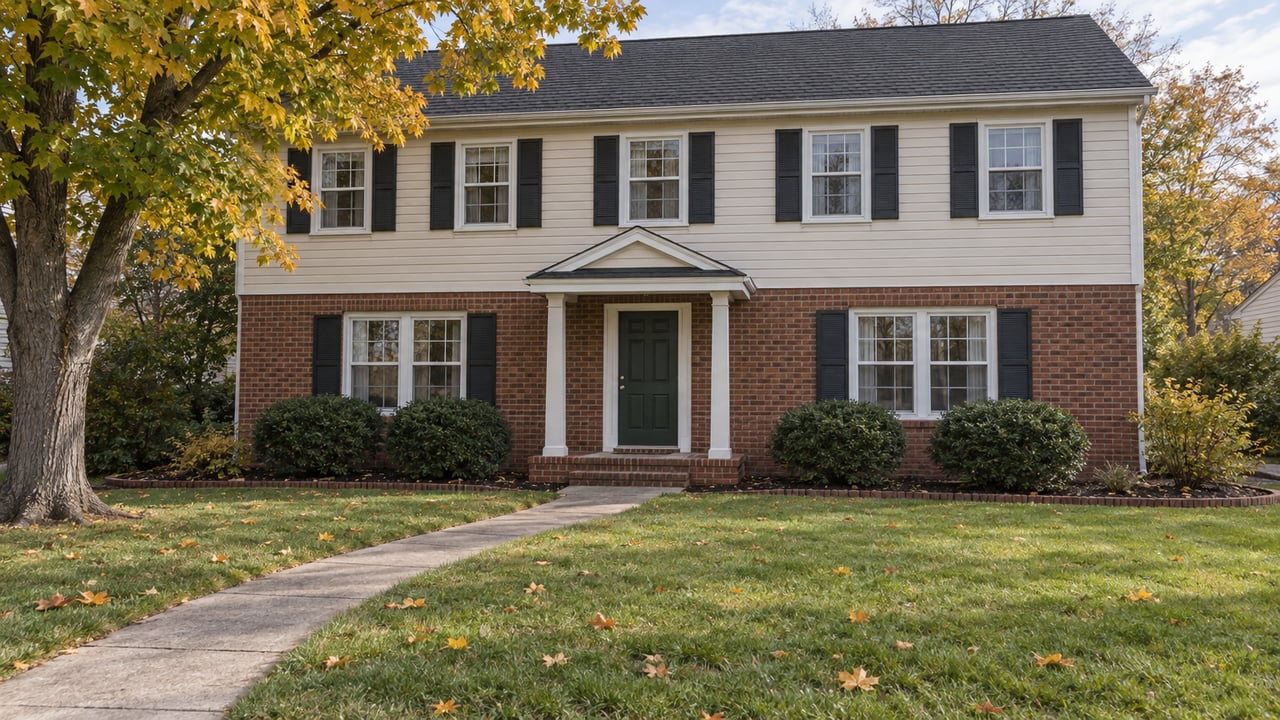
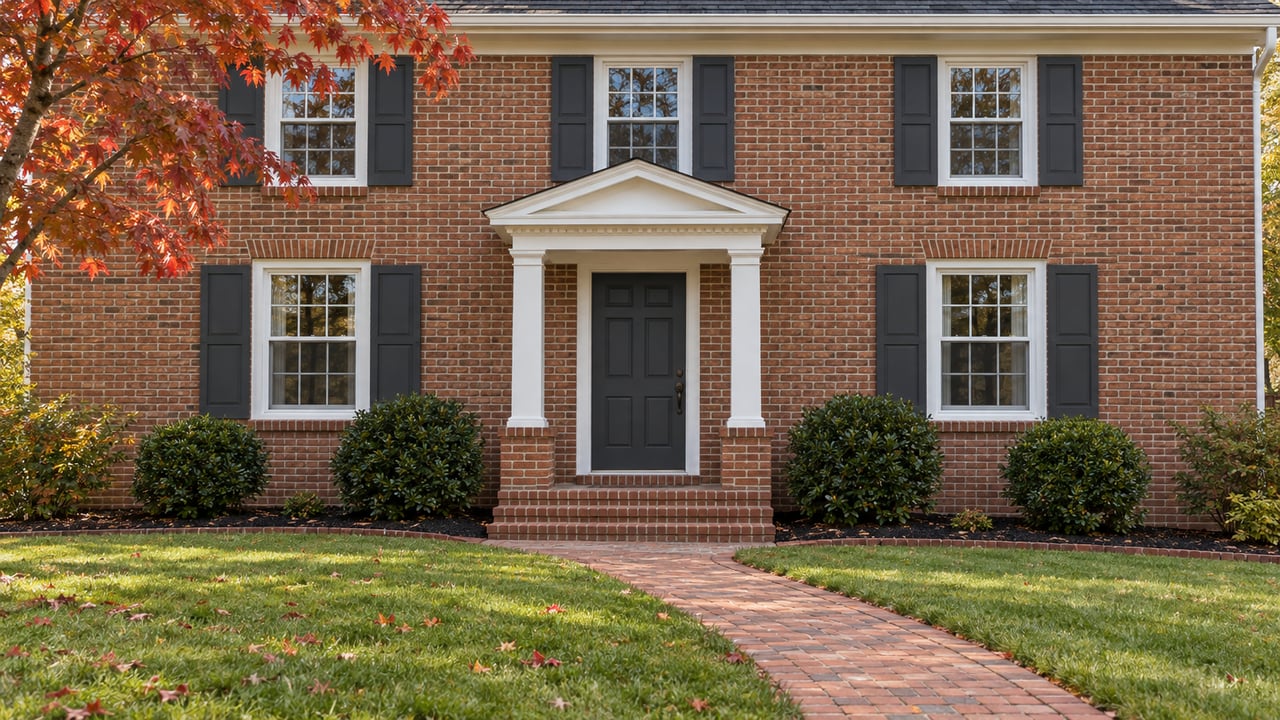
One of the biggest strengths of the townhome market in Fairfax County is variety. County examples include a 3-bedroom, 2.5-bath townhouse-style home near Vienna Metro, a 4-level townhome in Reston with 4 bedrooms and 2.5 baths, and townhomes at Reston Station with 2-car garage parking and walking access to Metro, retail, and restaurants.
Builder examples in the county show that townhomes may include 3 to 5 bedrooms, 3 to 4 levels, 2-car garages, decks, loft options, and one or two half baths. That range gives you more ways to match the home to your actual routine rather than forcing your routine to fit the home.
Flex space matters more than ever
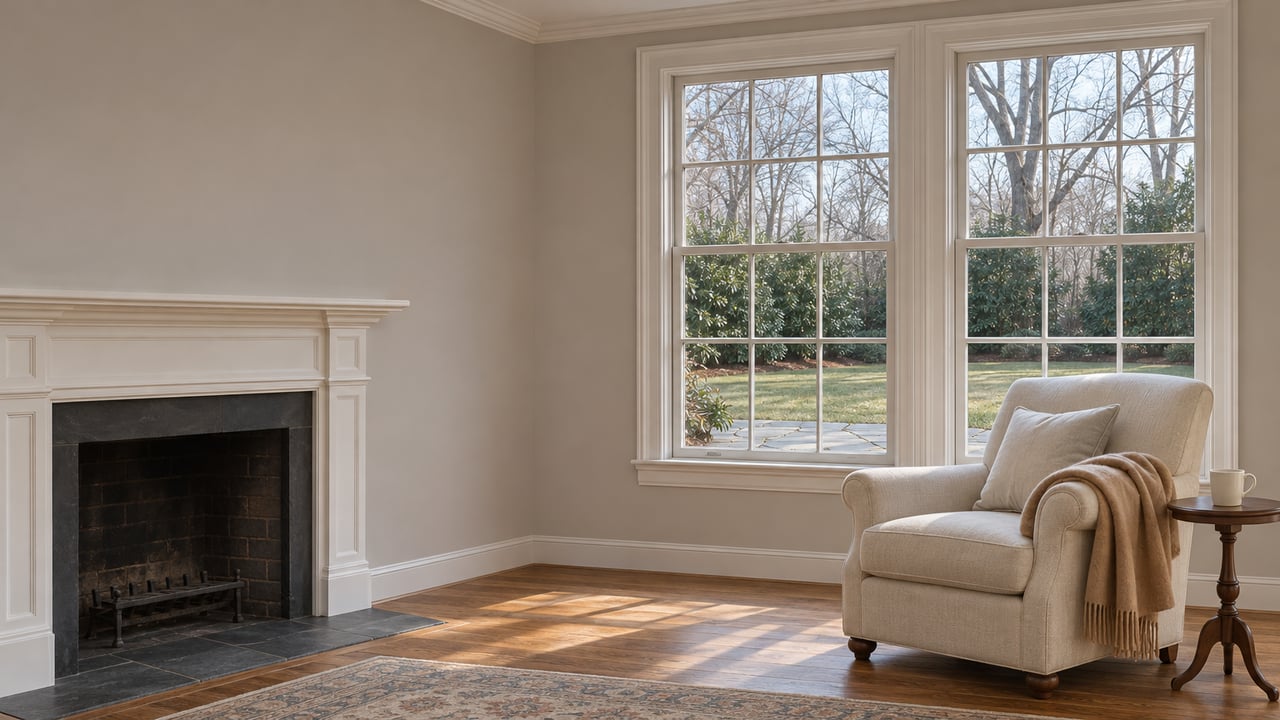
If you work from home even part of the week, host out-of-town guests, or want a workout room or hobby space, layout matters just as much as bedroom count. A four-level townhome may offer the kind of separation that makes daily life feel less crowded. A smaller plan may still work well if you prioritize location and low upkeep over extra rooms.
This is where buyers often benefit from slowing down and thinking practically. Instead of asking only how big the home is, ask how each level and room will be used from Monday through Sunday.
Storage and garage space count
Busy buyers often underestimate the value of storage until move-in day. A 2-car garage, extra closet space, or a lower-level flex area can make a major difference if you need room for work gear, seasonal items, bikes, or strollers. In townhome living, usable storage can matter more than a few extra square feet on paper.
The low-maintenance appeal, with an important caveat
For many professionals, the appeal of a townhome starts with maintenance. Some Fairfax County communities include HOA services such as trash removal, snow removal, and common-area maintenance. In certain communities, the HOA may handle a broader range of routine tasks, which can reduce the number of chores on your weekly list.
That said, you should never assume every townhome community works the same way. Fairfax County’s WDU guidance notes that homeowners remain responsible for maintenance and improvements. HOA coverage can help, but the exact package varies by community.
Questions to ask about HOA coverage
Before you buy, make sure you understand what is and is not covered. A townhome that looks low-maintenance at first glance may still leave you responsible for more than you expect.
Consider asking:
- Does the HOA cover trash and snow removal?
- Is exterior maintenance included?
- Who handles roof, deck, or fence repairs?
- What common areas are maintained by the association?
- Are there design or improvement rules that could affect future plans?
Clear answers upfront can save time, money, and frustration later.
Commute options are a major advantage
Fairfax County offers a strong transportation network for buyers who want options. Fairfax County Commuter Services says the county is served by Metrorail and VRE, Fairfax Connector runs more than 100 routes, and the county has nearly 30 free park-and-ride lots. WMATA station listings also show access in Fairfax County on the Orange, Silver, and Blue lines, including Vienna/Fairfax-GMU, Tysons, Reston Town Center, Spring Hill, Herndon, Franconia-Springfield, and Van Dorn Street.
That network matters because not every professional commutes the same way. You may want a rail-first lifestyle, quick access to major roads, or a backup option for days when your schedule changes. The best townhome location is usually the one that matches the way you actually move through the region.
Transit-oriented areas to watch
Tysons stands out as one of the clearest examples of transit-oriented planning in Fairfax County. The county says three-quarters of future growth there is planned within a half-mile of Metro stations, with a residential component built into the corridor. If you want walkability and direct transit access, that planning direction is worth noting.
Reston is another strong fit for buyers who want convenience and mixed-use surroundings. County examples place townhomes near Reston Town Center and Wiehle-Reston Metro, which can support a routine built around both rail access and nearby daily needs.
Road access still matters
Even in a transit-connected market, many buyers still rely on a car. County examples in Westfields note proximity of just a half-mile to Route 28 and one mile to the Dulles Toll Road. If your work, family, or travel patterns require frequent driving, that kind of access can be just as valuable as living near a station.
Amenities can offset less private yard space
One tradeoff with townhome living is that your private outdoor space may be smaller than what you would get with some detached homes. For many buyers, that tradeoff works because Fairfax County offers a broad network of public and community amenities.
The Fairfax County Park Authority says its nine recreation centers include pools, fitness rooms, gyms, courts, childcare, classes, and other programs. Its aquatics program also offers more than 150 classes weekly. For a busy professional, that can be a real advantage because your recreation options may be close by without the upkeep of a larger yard.
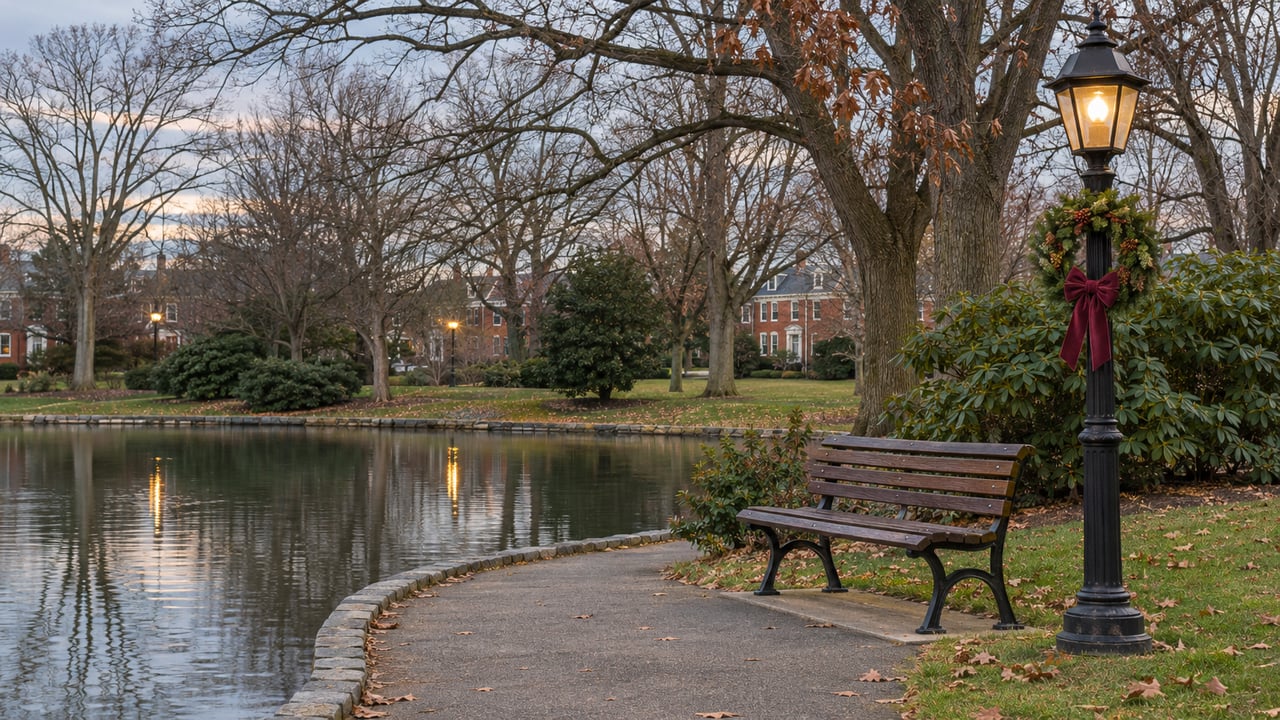
Some local townhome communities also connect buyers to trails, pools, parks, retail, restaurants, and other shared spaces. Reston Station highlights access to 55 miles of trails, 15 pools, tennis courts, a golf course, four lakes, and nearby parks, shops, and restaurants. In Fair Lakes, builder examples point to amenities such as a dog park, tot lot, outdoor exercise equipment, fire pit, bike racks, and grilling space.
How to decide if a Fairfax County townhome fits your lifestyle
The best decision usually comes down to fit, not just price or size. Fairfax County’s planning and transportation framework supports buyers who want connected, efficient daily living, but your ideal setup depends on how you use your time.
A simple checklist can help you compare options more clearly.
A smart townhome checklist
Ask yourself:
- Which commute mode will you realistically use most often?
- Does the floorplan include enough room for work, guests, or hobbies?
- How much storage do you need day to day?
- What does the HOA cover, and what stays your responsibility?
- How much private outdoor space do you actually want?
- How close do you want to be to groceries, dining, fitness, parks, or trails?
- Do you prefer a walkable mixed-use setting, quicker road access, or a balance of both?
For many busy professionals, lifestyle fit matters more than raw square footage. The right townhome can save time, simplify responsibilities, and support the way you already live.
Why experienced guidance helps
Fairfax County offers a wide range of townhome choices, but not every option solves the same problem. One community may work best for a Metro commuter. Another may be stronger for a buyer who needs road access, garage space, or a more flexible layout.
That is where experienced, local guidance becomes valuable. When you compare locations, HOA structures, floorplans, and commute patterns with a steady advisor, it becomes easier to narrow your search and move with confidence.
If you are thinking about buying, selling, or leasing in Fairfax County and want practical guidance tailored to your goals, Gary Floyd can help you evaluate your options with the kind of measured, high-touch advice that comes from decades of DMV real estate experience.
FAQs
Is a townhome a common housing type in Fairfax County?
- Yes. Fairfax County’s 2024 ACS profile reports 96,930 attached homes, or 22.4% of all housing units, making townhomes a well-established part of the local housing mix.
What features do Fairfax County townhomes often include?
- County and builder examples show a wide range of options, including 3 to 5 bedrooms, 3 to 4 levels, 2-car garages, decks, lofts, and layouts with multiple full and half baths.
Are Fairfax County townhomes good for commuting?
- They can be, especially in locations near Metro stations, major roads, bus routes, or park-and-ride lots. Fairfax County is served by Metrorail, VRE, Fairfax Connector, and nearly 30 free park-and-ride lots.
Do Fairfax County townhome HOAs cover maintenance?
- Sometimes, but coverage varies by community. Some HOAs include services like trash, snow removal, and common-area maintenance, while homeowners may still remain responsible for certain repairs and improvements.
What Fairfax County areas may appeal to busy professionals looking for townhomes?
- Buyers often look at places with strong transit or road access, such as Tysons, Reston, Vienna-area locations, and parts of Westfields, depending on their commute and lifestyle priorities.
How should you compare Fairfax County townhomes?
- Focus on the factors that affect daily life most: commute options, HOA coverage, floorplan flexibility, storage, private outdoor space, and access to errands, recreation, and transportation.