Choosing between a DC rowhouse and a Maryland suburban home is not just about square footage. It is about how you want to live day to day, what kind of flexibility you need, and how far your budget will go in different parts of the DMV. If you are weighing city access against space, this guide will help you compare pricing, upkeep, parking, taxes, and other practical factors so you can make a more confident decision. Let’s dive in.
Price differences across DC and Maryland
One of the biggest differences starts with cost per square foot. As of April 2026, Realtor.com estimates Washington, DC at about $500 per square foot, compared with $305 in Montgomery County and $239 in Prince George’s County. These are countywide figures, not a perfect rowhouse-versus-detached comparison, but they show the broad pricing gap many buyers see when comparing central DC with nearby Maryland suburbs.
Median sold prices tell a similar story, though not in exactly the same way. DC shows a median sold price of $690,000, Montgomery County is $650,000, and Prince George’s County is $425,500. In real life, that can mean a DC rowhouse and a Maryland suburban home may fall into a similar overall budget range, while still offering very different layouts, lot sizes, and daily routines.
Prince George’s County data helps sharpen that comparison. In March 2026, attached homes averaged $383,158, while detached homes averaged $505,623. That spread supports what many buyers already suspect: detached suburban homes often cost more in total dollars, but they may give you more space and more separation from neighboring homes.
Market conditions can change your leverage
It is also important to look beyond list prices. Realtor.com classifies DC as a buyers’ market, Montgomery County as a sellers’ market, and Prince George’s County as balanced. That means your negotiating position may shift depending on where you buy, even if your price point stays similar.
Sale-to-list ratios also show some variation. Montgomery and Prince George’s counties both show a 100% sale-to-list-price ratio, while DC homes are selling at about 99% of list. That may sound like a small difference, but it can affect how aggressively you need to move, how much room you may have to negotiate, and how carefully you should structure an offer.
What a DC rowhouse usually offers
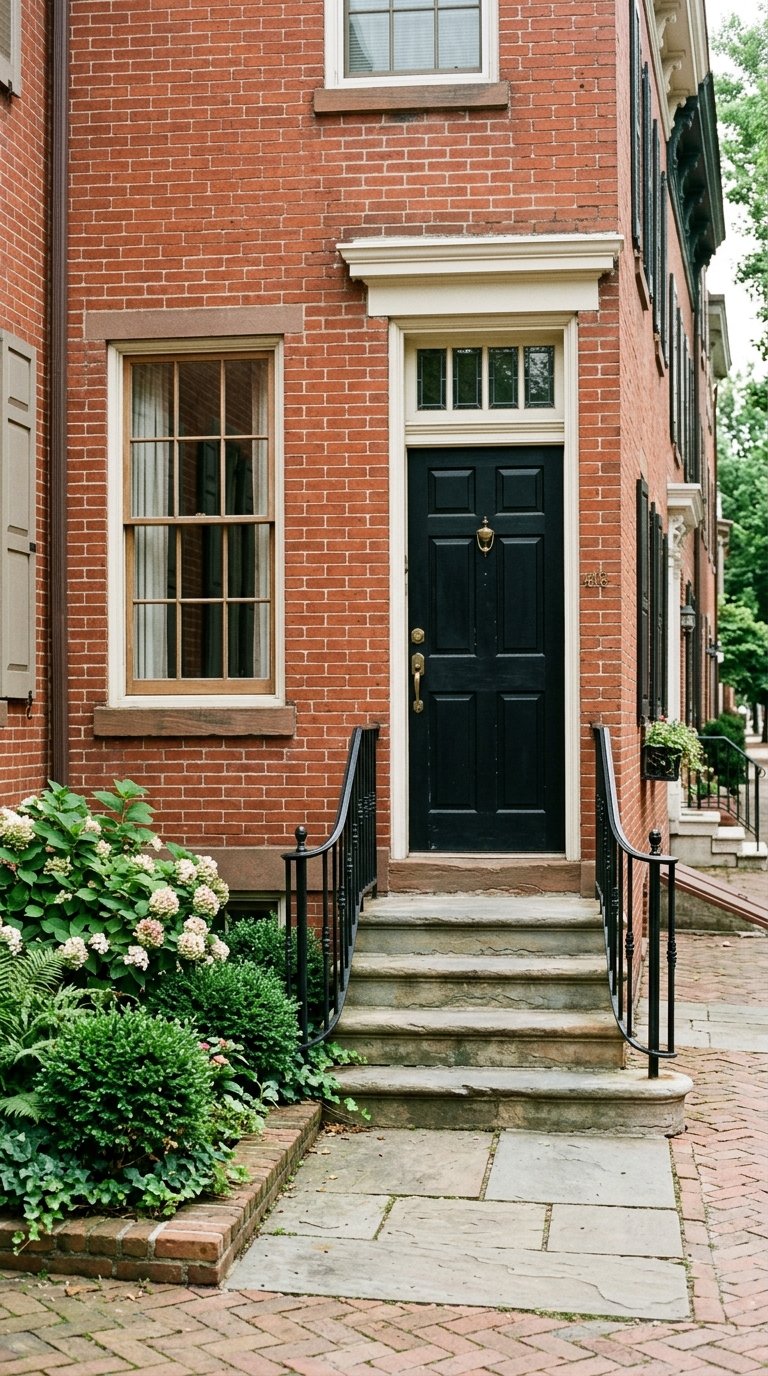
A rowhouse has a distinct feel and structure. The National Park Service defines a rowhouse as a dwelling attached on one or more sides to another dwelling, often used as a single-family residence. In practical terms, that usually means shared walls, a narrower footprint, and less exterior independence than a detached home.
For many buyers, that tradeoff is worthwhile. A DC rowhouse can offer a more urban setting, access to established blocks, and a home style that feels classic and connected to the city’s character. At the same time, the attached design often shapes everything from natural light to lot use to how much privacy you have outdoors.
What a Maryland suburban home usually offers
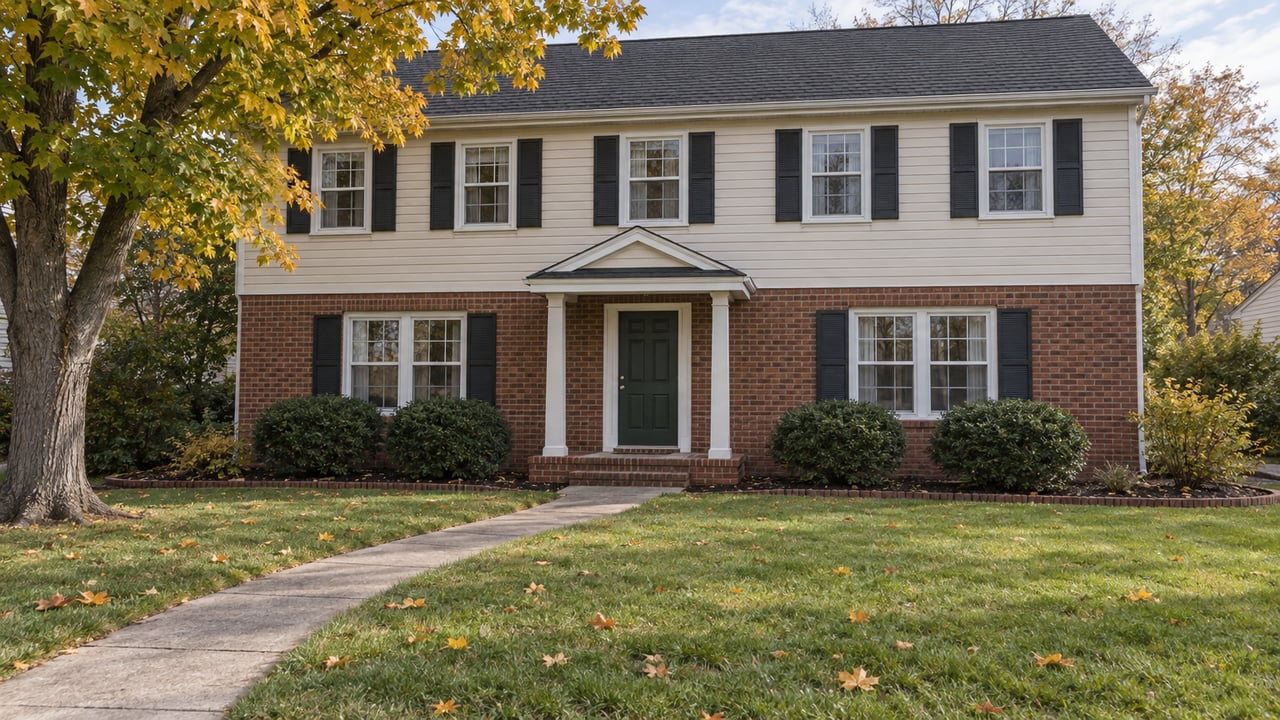
A suburban home in Maryland often gives you more flexibility in how you use the property. Depending on the listing, you may find a larger lot, more distance from neighbors, and more options for outdoor living or parking. That does not mean every suburban home comes with a large yard or driveway, but detached housing usually creates more possibilities.
This can matter if your priorities include room to spread out, easier storage, or space for hobbies and gatherings. It can also matter if you plan to stay long term and want a property that can adapt with you over time. In many cases, the suburban option is less about style and more about breathing room.
Maintenance and renovation differences
Maintenance is where the lifestyle gap becomes more practical. A DC rowhouse can be simpler to maintain on the inside than a larger detached house, since there is often less overall square footage and less exterior area to manage. Still, attached housing can create more planning around roofs, windows, masonry, and other exterior features.
That planning becomes even more important if the property is in a historic district. In DC, the Historic Preservation Review Board requires review for major work such as demolitions, major additions, front alterations, roof additions, roof decks visible from a street, new garages, and major site work like new curb cuts, driveways, and parking pads. The Historic Preservation Office also applies written design standards and guidelines when reviewing changes to historic properties.
For you as a buyer, this means a rowhouse may come with more renovation friction than a typical suburban detached home. If you hope to make exterior changes, it is smart to understand that process before you buy, not after. A home that seems perfect on day one can feel very different if your improvement plans run into review requirements.
Parking and outdoor space
Parking is one of the clearest daily-life differences between these options. In DC, the DDOT Residential Permit Parking program limits on-street parking to residents on designated blocks, and ParkDC Permits is the system used for resident and visitor permits in those zones. If you are buying a rowhouse, parking should be part of your first conversation about a property, not a detail you leave for later.
Outdoor space is similar. Because a rowhouse is attached on one or more sides, you will usually have less private side-yard and lot flexibility than you would with a detached home. That said, this is always property-specific, so the right way to compare homes is by looking closely at the actual lot, rear space, parking setup, and how you expect to use the property.
Schools are always address-specific
If school assignment matters in your search, it is important to verify it by exact address. In DC, DCPS allows you to find the in-boundary school by entering a primary address, and students are guaranteed a seat at the in-boundary school in grades K through 12, though not PK3 or PK4. In Maryland, both Montgomery County Public Schools and Prince George’s County Public Schools provide address-based school assignment tools.
The key point is simple: do not assume school assignment based on city, county, or neighborhood name alone. Before you write an offer, confirm the assignment using the official address lookup for that jurisdiction. That step can protect you from making a decision based on outdated or incomplete information.
Taxes and carrying costs deserve a close look
Taxes are another area where the rowhouse-versus-suburban decision can get more nuanced than buyers expect. In DC, the residential Class 1 property tax rate is $0.85 per $100 of assessed value, and the 2026 homestead deduction reduces assessed value by $91,950 before the tax is calculated. DC also charges residential deed transfer and recordation taxes at 1.1% when the transfer is under $400,000 and 1.45% on the entire amount when it is over $400,000.
Maryland uses a different relief structure. The state’s Homestead Property Tax Credit limits increases in taxable assessment on a principal residence to 10% or less each year, and the Homeowners’ Property Tax Credit provides income-based relief for qualifying owners. These programs can make a meaningful difference in long-term carrying costs, especially if you plan to stay in the home for years.
County-level details matter too. Prince George’s County says its FY2026 real property tax rate is $1.00 per $100 of assessed value in the unincorporated area, and some bills may include charges such as front foot benefit and solid waste service. Montgomery County’s FY2026 tax schedule includes county, state, MCPS, municipal district, and special district components, and the county budget includes a $692 property tax credit for owner-occupied principal residences with a homestead tax credit application on file.
The takeaway is that your true monthly and annual ownership cost may vary a lot by address. Two homes with similar sale prices can produce different tax outcomes depending on where they are located and which credits apply. That is why it helps to compare not just purchase price, but also the full carrying cost.
How to choose the better fit
If you are torn between a DC rowhouse and a Maryland suburban home, the best answer usually comes down to your lifestyle priorities. A rowhouse may make more sense if you value city living, can work within a smaller footprint, and are comfortable with shared walls and possible exterior review limits. A suburban home may make more sense if you want more space, easier parking, and greater lot flexibility.
It also helps to think about your plans over the next five to ten years. Ask yourself how much space you need now, how much maintenance you want to handle, and whether exterior renovation freedom matters to you. When you line those questions up with pricing, taxes, and location, the right option often becomes much clearer.
With more than 40 years of experience across Maryland, DC, and Virginia, Gary Floyd takes a steady, practical approach to choices like this. If you want help comparing neighborhoods, monthly costs, or specific listings on both sides of the DC line, connect with Gary Floyd for experienced guidance tailored to your move.
FAQs
Is a DC rowhouse or Maryland suburban home cheaper per square foot?
- Based on April 2026 countywide data, Washington, DC is about $500 per square foot, compared with $305 in Montgomery County and $239 in Prince George’s County, so Maryland is generally lower on a price-per-square-foot basis.
Do DC rowhouses have more renovation restrictions than Maryland suburban homes?
- Often yes, especially if the DC property is in a historic district where major exterior changes may require review by the Historic Preservation Review Board.
Is parking easier with a Maryland suburban home than a DC rowhouse?
- In many cases, yes, because suburban detached homes often offer more parking flexibility, while some DC rowhouses rely on residential permit parking or property-specific parking arrangements.
How do school assignments work in DC, Montgomery County, and Prince George’s County?
- All three jurisdictions use address-based school assignment tools, so you should verify school assignment by exact property address before making an offer.
What property tax relief may apply in DC or Maryland?
- DC offers a homestead deduction, while Maryland offers the Homestead Property Tax Credit and an income-based Homeowners’ Property Tax Credit, with additional county-specific factors that may affect your bill.